fusanilab
Behaviour, Physiology & Ornithology
Ponza 2019 started!


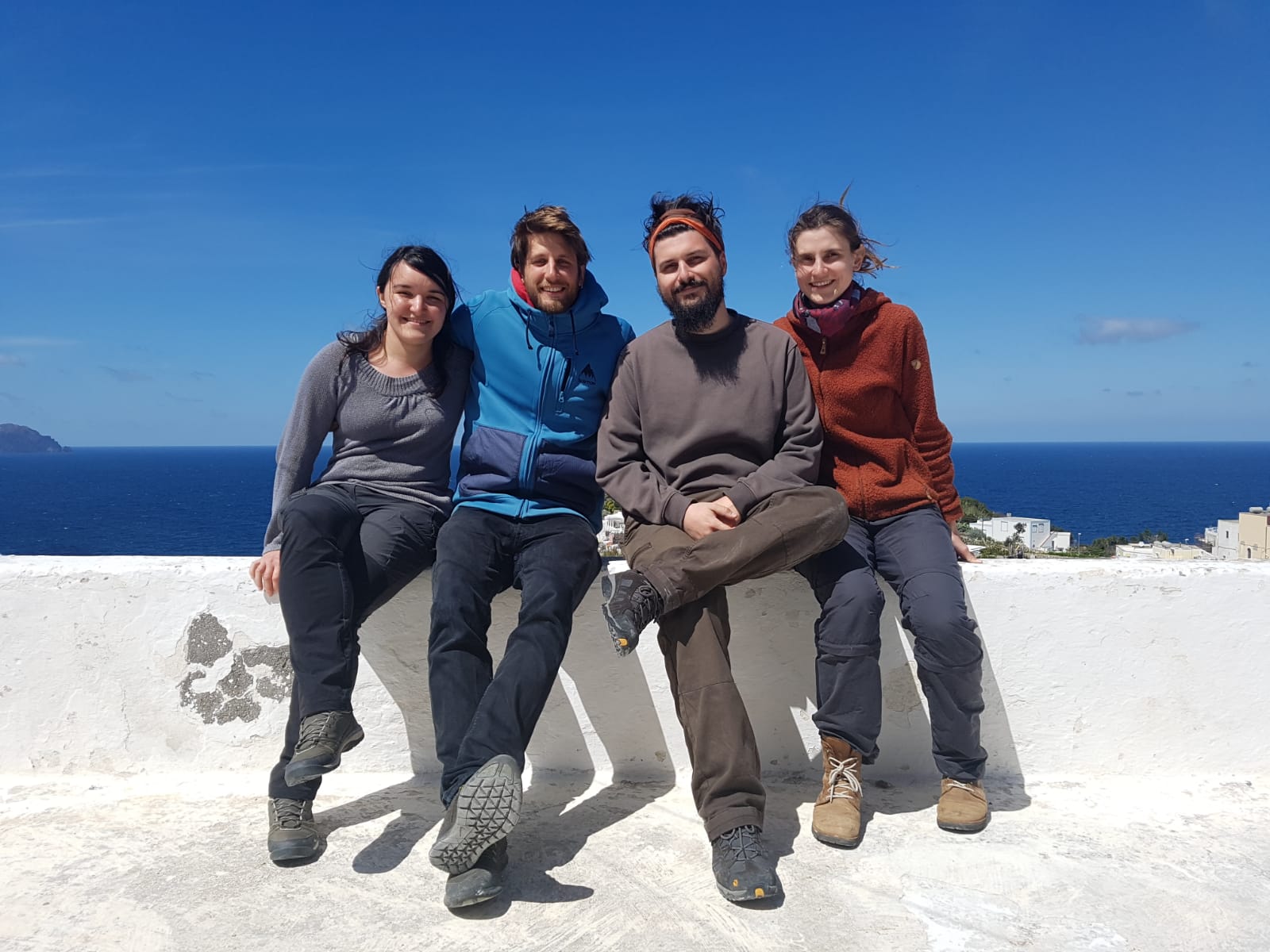
We are happy to announce that the data collection for this year’s spring migratory field season on the island of Ponza has officially started in the beginning of April! PhD students Andrea Ferretti and Julia Slezacek and Master students Benjamin Kostner and Caroline Denechaud have spent the beginning of this month setting up the field site laboratory and field equipment to kick off this year’s data collection. Indeed, the preparatory work has already paid off and we have been able to collect the first samples and host the first Garden Warblers (Sylvia borin) and Common Whitethroats (Sylvia communis) in our registration cages for this season’s studies. This year we are investigating the influence of gut hormones on behaviour and physiology during stopover with a great focus on the hormone ghrelin and the genetics of the bird ghrelin system. In addition, we continue collecting data on sleep behaviour and have started a novel project on bird gut microbiota during migration.


For detailed information on the ringing activities and regular updates on the progress of the ringing season please check out our collaborator’s and local ringing station’s website.
If you would like to get involved in our research on migration physiology next spring season 2020, please contact Julia Slezacek for more information.
Crowdfunding campaign for an exciting project on migration flights!
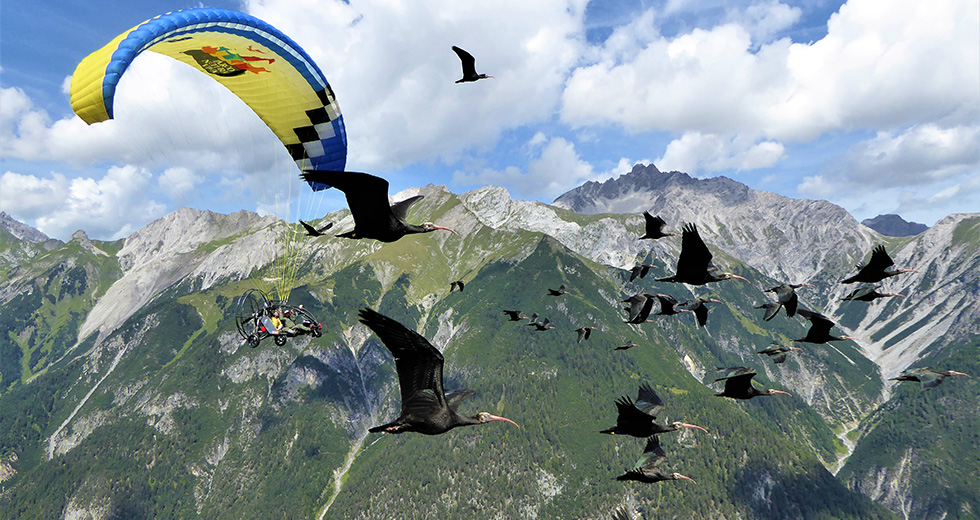
Hi, I am Elisa Perinot, I am launching a crowdfunding campaign on Experiment.com to collect funds to buy several GNSS loggers for my project on costs and benefits of flight formation. These loggers are necessary to track the birds while flying and I will use them to collect data during my next field season, in the summer.
You can help me to conduct my research by funding my project (see in the link)! Moreover, you can also share the campaign, so that I reach out to more people. For any question or curiosity, you are welcome to contact me.
Thank you very much!
Desert stopover in Morocco
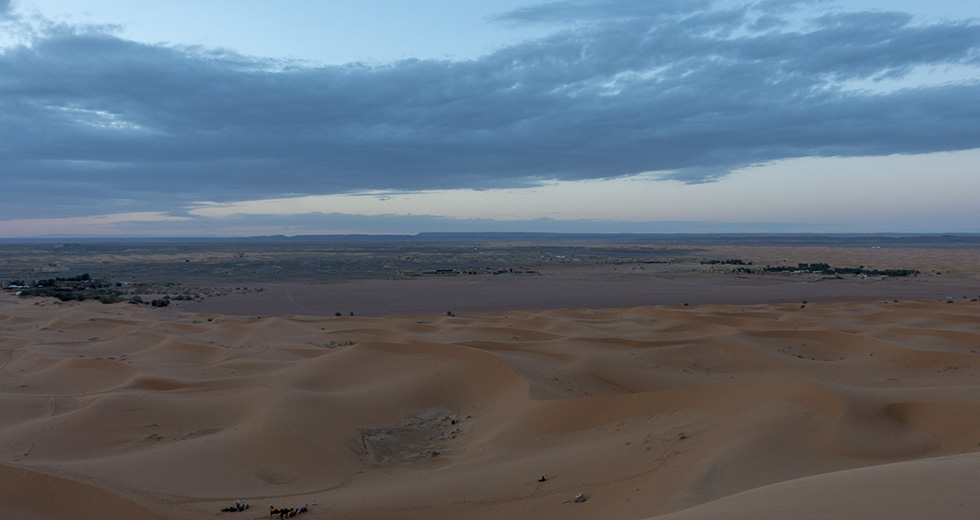
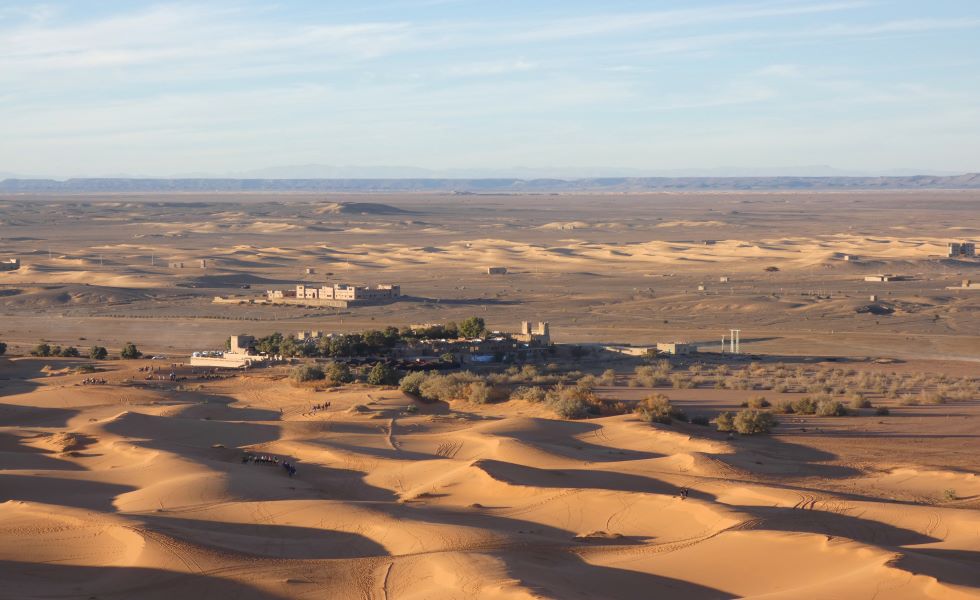
On February 27th, 2019, this year’s field season in the oasis of Yasmina, Morocco, will kick off. The focus of the station, jointly run by the Konrad Lorenz Institute of Ethology and the Institut Catala’ d’Ornitologia, is to investigate different strategies used during stopover of migratory birds when landing in the desert. Armando Aispuro will be investigating territorial behaviour in Subalpine Warblers (Sylvia cantillans) and Woodchat Shrikes (Lanius senator). In addition, we will study the link between physiological adaptations to arid environments (e.g. differences in evaporative water loss) and behaviour at stopovers using automated radiotelemetry. We will study four closely related species along a gradient of arid habitat adaptations: Saharan Olivaceous Warbler (Iduna pallida reiseri), Western Olivaceous Warbler (Iduna opaca), Melodious Warbler (Hippolais polyglotta), and Eurasian Reed Warbler (Acrocephalus scirpaceus).
The field site will function as a bird ringing station and volunteers are welcome. Click on the link below for more information:
We welcome collaborations with people interested in the field site for their own research. Please contact Dr. Ivan Maggini (ivan.maggini@vetmeduni.ac.at).
Ecotourism impacts osprey population

Monti, F., Duriez, O., Dominici, J. M., Sforzi, A., Robert, A., Fusani, L., & Grémillet, D. (2018). The price of success: integrative long‐term study reveals ecotourism impacts on a flagship species at a UNESCO site. Animal Conservation 21: 448–458 .
This paper is the result of a collaborative project together with French and Italian partners aimed at understanding the impact of tourism on Mediterranean Osprey population. You can access the full paper at this link.
Courtship learning in bowerbirds
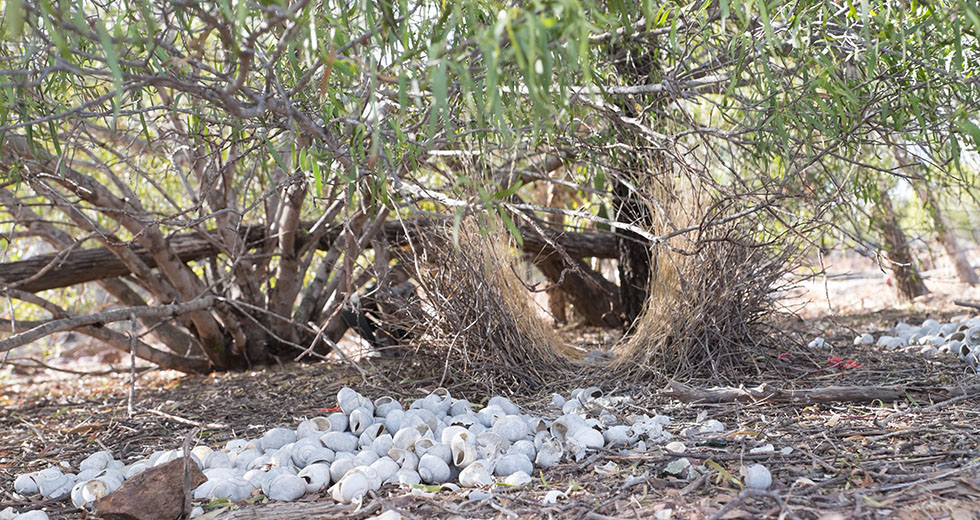
In summer 2018 we started a new project entitled ‘Learning to be attractive’. The aim is to understand if and how Australian spotted bowerbirds learn aspects of their courtship display from other males.
Read More
