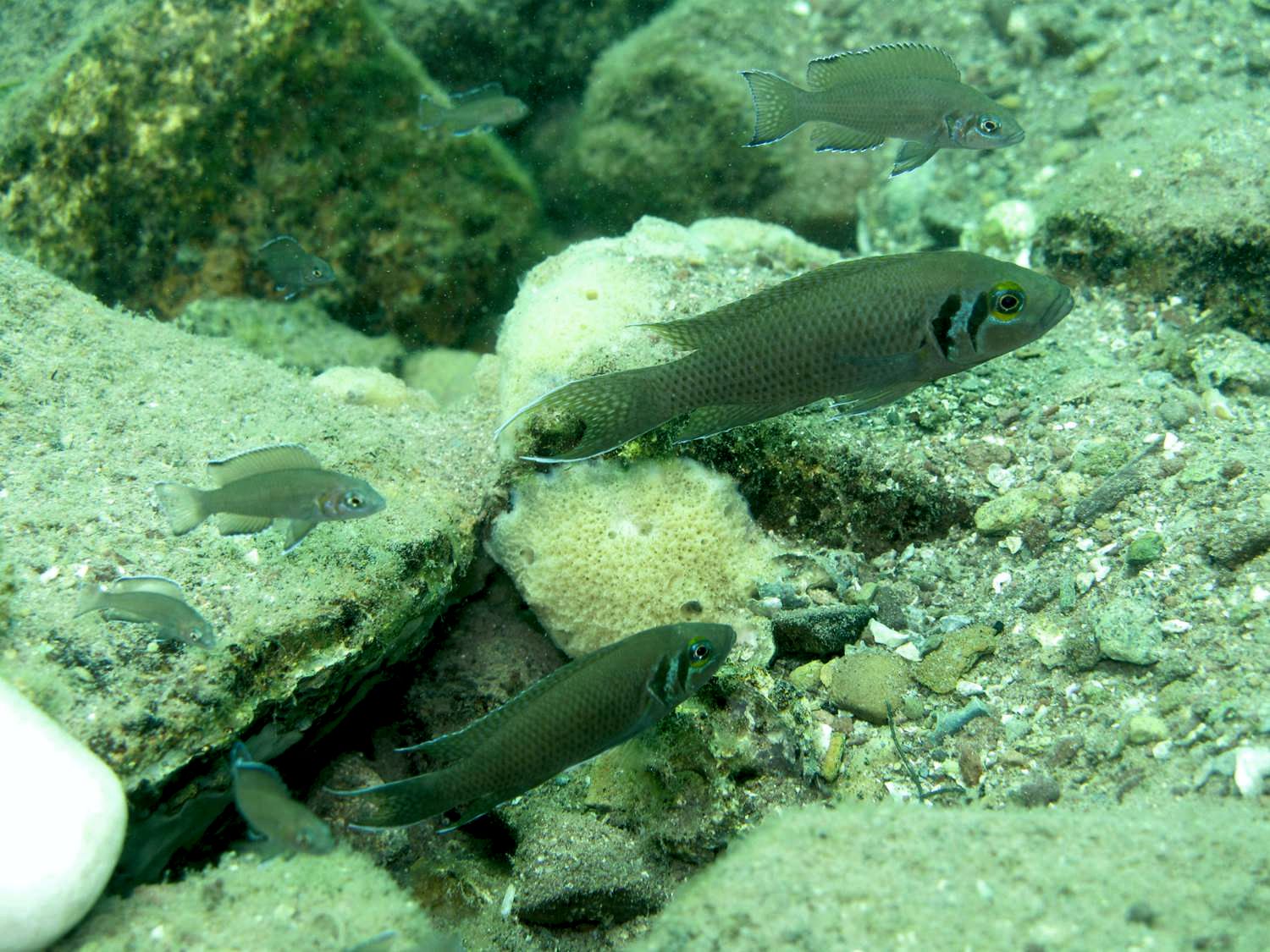
Adapting to new situations is key to survival, and stress plays a big role in this. Our recently published study on fish (Neolamprologus pulcher) shows how stress affects behavioural flexibility, which is the ability to solve new problems in changing environments.
What did we do? Unlike previous research on lab rodents, our study tested fish in natural conditions. We blocked glucocorticoid receptors (GR) in the fish to prevent stress recovery and then exposed them to a predator. Fish faced then a detour task, where they had to find a new route to safety after their usual path was blocked.
What did we find? While both groups of fish took the same time to reach the shelter, GR-blocked fish made more mistakes and showed more fear-related behaviors. This suggests that without recovering from stress, the fish struggled to adapt, potentially linking stress recovery to behavioural flexibility.
What does this mean? These findings provide valuable insights into how animals – not only fish – deal with stress in real-world situations. Understanding this relationship helps us to gain a better understanding of effective and adaptive strategies for coping with a changing environment.
The paper was published in Physiology & Behavior and you can read it here.
 fusanilab